
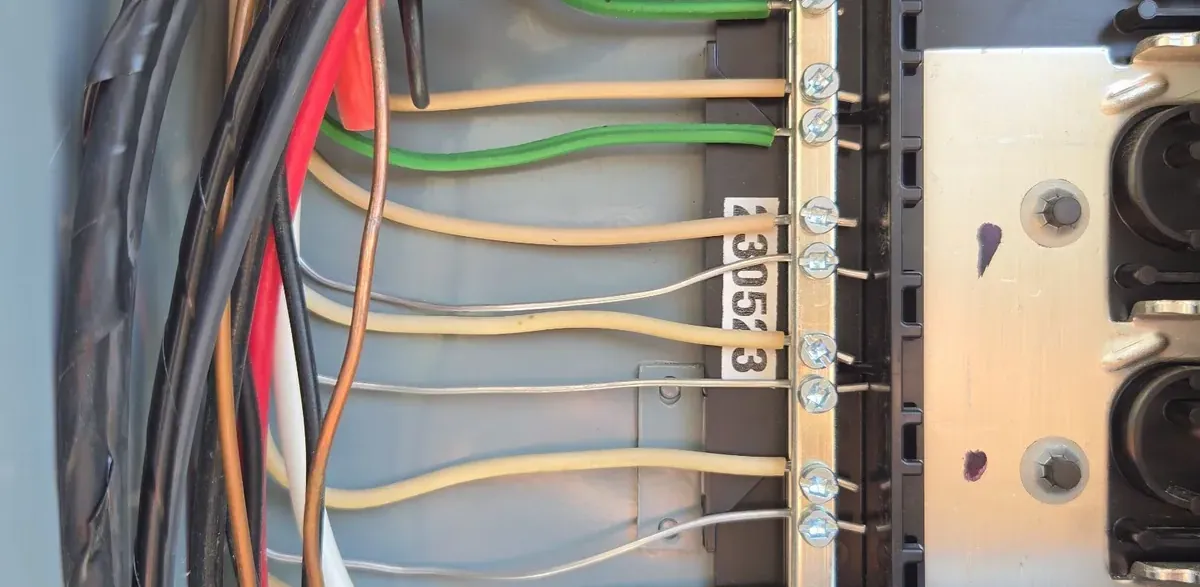
Sacramento homeowners with houses built between 1965 and 1973 are facing a hidden problem in their walls, and their insurance companies are taking notice. Aluminum branch circuit wiring, once considered a money-saving solution during a copper shortage, is now the reason some homeowners are being dropped from policies, struggling to sell their homes, and facing fire hazards they never knew existed.
If you live in a 1960s or 1970s home in the greater Sacramento area, including Elk Grove, Folsom, and Roseville, this guide is worth reading. We'll explain what aluminum wiring is, why it can be dangerous, how insurance companies are responding, and what your options are.
What Is Aluminum Branch Circuit Wiring?
From the mid-1960s through the early 1970s, copper prices climbed sharply. Builders and electrical contractors looked for alternatives, and aluminum wiring fit the bill: it was cheaper, lighter, and readily available. Thousands of Sacramento-area homes were wired entirely or partially with aluminum conductors during this period.
But not all aluminum wiring is dangerous, and this distinction matters.
Small-gauge aluminum branch circuit wiring (#10 and #12 AWG) used for 120V outlets, lights, and 15A or 20A circuits is the problematic type. This is the wiring that connects directly to your wall outlets, light switches, and standard household devices.
Large-gauge aluminum feeder wiring (#6 AWG and larger) used for 240V 50A or 60A circuits powering subpanels, ranges, air conditioners, and EV chargers is still acceptable under modern electrical code when properly installed. The fire risks associated with small aluminum branch circuits don't apply to these larger, dedicated runs.
For Sacramento homeowners, the dangerous type is the small-gauge aluminum wiring running throughout the home to everyday outlets.
Why Aluminum Branch Circuit Wiring Is Dangerous
The dangers stem from aluminum's physical and chemical properties.
Thermal expansion and contraction. Aluminum expands and contracts more than copper as current flows and the wire heats and cools. This constant micro-movement loosens connections at outlets, switches, and junction boxes. A loose connection generates heat, which increases resistance, which generates more heat, creating a dangerous cycle that can ignite nearby insulation or framing.
Oxidation and increased resistance. When aluminum is exposed to air, it oxidizes. Unlike copper oxide, which still conducts, aluminum oxide is an insulator. This oxide layer builds up at connection points and increases resistance, which means more heat. Homeowners with aluminum wiring often report warm outlets or switches, a clear sign of connection deterioration.
Incompatibility with standard devices. Most household outlets and switches are designed for copper. When aluminum connects directly to devices not rated CO/ALR for aluminum, the dissimilar-metal junction creates additional corrosion and poor connections, a primary cause of fires in aluminum-wired homes.
Lower current capacity. Due to its lower conductivity, a #12 aluminum wire carries about 61 percent of the current of a #12 copper wire, yet many installations used the same gauge anyway, creating a hidden overload condition.
The Insurance Reality: Coverage Can Be Hard to Get
This is where the issue becomes urgent for anyone trying to buy, sell, or simply keep coverage in Sacramento. Insurance companies across California are actively:
- Denying coverage to properties with unrepaired aluminum branch circuit wiring
- Non-renewing existing policies after discovery during inspections
- Requiring full disclosure during underwriting
- Demanding documented remediation before offering coverage
- Charging higher premiums for homes with partial repairs
Insurers have analyzed decades of claims data. Homes with aluminum branch circuit wiring file fire claims at significantly higher rates, so from a liability standpoint, insurers treat them as a higher-risk category.
The Ripple Effect on Real Estate
For homeowners trying to sell, aluminum wiring can become a deal-breaker. A buyer's insurance agent discovers the wiring during underwriting, the buyer can't close without insurance, and the sale stalls. Price negotiations tighten as buyers demand remediation, homes sit on the market longer, and some cash buyers offer steep "as-is" discounts.
We recently worked with a Sacramento homeowner who discovered this during an outlet installation. Her home tested positive for aluminum wiring. She assumed it had been replaced during a 1970s remodel, but the previous contractors had only partially replaced it, mixing old knob-and-tube with aluminum branch circuits. She couldn't sell without a full rewire, and her insurer was threatening to drop her. We completed a full house rewire, and only then could she move forward.
How to Identify Aluminum Wiring in Your Home
Check your electrical panel. Look for silver or light-colored wires connected to breakers, wires marked "AL" or "ALUMINUM," and wires that look distinctly different from any copper you see.
Look for cable markings in the attic or basement. Even if the panel has been upgraded, original aluminum wiring may remain. Look for cable jackets marked "AL" or "ALUMINUM" and dated from the 1960s or 1970s.
Watch for warning signs. Outlets or switches warm to the touch, flickering lights when appliances turn on, a burning smell near outlets, darkened or scorched areas, and breakers that trip frequently without obvious cause.
Know your home's age. Homes built between 1965 and 1973 are the highest risk. If yours falls in that window, there's a reasonable chance it has at least some aluminum wiring.
The Mixed Wiring Problem: Aluminum Plus Knob-and-Tube
One particularly dangerous scenario exists in older Sacramento homes: partial upgrades in the 1970s and 1980s that replaced some knob-and-tube wiring with aluminum branch circuits while leaving original knob-and-tube in place. Old knob-and-tube insulation deteriorates, aluminum junctions remain problematic, and the system ends up neither fully modern nor consistently safe. Insurers view mixed wiring as a worst-case scenario. If your home was partially rewired, have a licensed electrician inspect it.
Your Options: Rewire, Remediation, or Doing Nothing
Option 1: Full Rewire to Copper (Most Recommended)
Completely remove the aluminum branch circuit wiring and replace it with modern copper throughout the home. The panel may also be upgraded depending on its condition and code requirements.
In Sacramento, expect roughly $6,000 to $12,000 for a typical 1,500 square-foot home, depending on size, complexity, accessibility, and whether a panel upgrade is needed.
A full rewire eliminates the fire risk from aluminum branch wiring, satisfies every insurer without question, increases home value and saleability, and meets all current code. The trade-offs are the highest upfront cost, possible wall opening, and a timeline of two to four weeks depending on home size.
Option 2: Approved Crimp Connector Remediation (Compromise Solution)
Specialized, code-approved crimp connectors are installed at every connection point: outlets, switches, junction boxes, and the panel. These create a permanent junction between aluminum and copper.
In Sacramento, this typically runs $1,500 to $3,500 depending on circuit count and complexity. It costs less than a full rewire, addresses the root cause of connection deterioration, and is non-invasive. The catch: some insurers accept documented remediation as a permanent fix, while others still require a full rewire. Before investing, ask your insurer whether they will accept it, and get the answer in writing.
Option 3: Copper Pigtailing (Limited Acceptance)
Short runs of copper are spliced onto the aluminum at key connection points. It's the lowest-cost approach, around $800 to $2,000, but most modern insurers and code officials view it as an incomplete solution because it creates additional splice points. Avoid this unless it is a temporary measure and you plan to fully remediate later.
What Property Managers and Multi-Family Owners Should Know
If you own rentals or multi-family buildings from the 1960s or 1970s, aluminum branch circuit wiring creates unique liability and insurance challenges. Tenant safety is a direct liability, insurers may exclude these properties, multi-family dwellings face heavier scrutiny, and code compliance is stricter for rentals. A professional inspection and remediation plan is a business necessity.
How to Choose an Electrician for Aluminum Wiring Work
Not all electricians have experience with aluminum wiring repair or full rewiring. Look for a California-licensed electrician who:
- Has worked in 1960s and 1970s Sacramento homes
- Knows both approved crimp remediation and full rewire approaches
- Stays current on code
- Pulls permits and passes inspection
- Documents work for insurance purposes
Ask how many aluminum wiring projects they have completed, whether they handle permits and inspections, whether they can provide references, and what warranty they offer. Get multiple written quotes with a clearly defined scope, and be cautious of bids that come in far below the others.
Next Steps for Sacramento Homeowners
- Schedule a professional inspection to confirm whether aluminum branch circuit wiring is present.
- Contact your insurance agent and ask directly what coverage and remediation they require.
- Get remediation quotes and weigh full rewire against approved crimp remediation based on your timeline and budget.
- Plan your solution. If selling, address it now. If staying long term, weigh your fire risk and insurance requirements.
- Document everything, including inspection reports, remediation records, and permits.
Common Questions
Does aluminum wiring mean my house will catch fire? Not necessarily, but the risk is elevated. Regular maintenance and professional remediation reduce it dramatically. Do not panic, but do take action.
My home inspector did not mention aluminum wiring. Should I still worry? Yes. Not all home inspectors thoroughly evaluate electrical systems. A dedicated electrical inspection goes deeper, especially for homes built between 1965 and 1973.
Is aluminum wiring illegal in California? No. Modern code strictly limits where it can be used, mainly large feeders rather than small branch circuits, but existing aluminum wiring doesn't violate code. Remediation is typically required for insurance and sale purposes.
Can I just replace the outlets and leave the aluminum wire? Not reliably. CO/ALR-rated devices help, but the underlying aluminum still expands, contracts, and oxidizes. A complete solution requires either a full rewire or approved crimp remediation at every connection point.
Does rewiring increase home value? Yes. A home with modern copper wiring is more valuable and more insurable, and buyers pay a premium for homes without hidden electrical risks.
The Bottom Line
Aluminum branch circuit wiring is a documented fire hazard that insurers are actively addressing. For Sacramento homeowners in 1960s and 1970s homes, ignoring it means risking fire danger, insurance denial, and barriers to selling. There are fixes, and not all of them are expensive.
Ready to address aluminum wiring in your Sacramento home? Peach Electric specializes in inspections, remediation, and full rewires for homes with aluminum branch circuit wiring. Reach out for a free, upfront estimate and we'll identify exactly what you're dealing with and provide a clear path forward.