
A Level 2 charger adds roughly five to ten times the range per hour compared to a standard wall outlet, which is the difference between waking up to a full battery and constantly hunting for a charge. The install looks simple, but it draws serious continuous power, so it has to be done by a licensed electrician on a properly sized circuit.
We install all major charger brands, as well as outlet-based options like a NEMA 14-50. Before we quote, we check your panel capacity so you know upfront whether your existing service can handle the charger or whether a panel upgrade should come first. No surprises mid-project.
What does an EV charger installation include?
Panel assessment
We confirm your panel has the capacity for a Level 2 charger, and tell you honestly if an upgrade is needed first.
Dedicated circuit
A properly sized, dedicated circuit and breaker rated for continuous EV charging loads.
Hardwired or outlet
We install hardwired chargers or a NEMA 14-50 outlet, whichever fits your charger and your plans.
Clean routing
Tidy conduit and cable routing in the garage, on an exterior wall, or to a carport or driveway.
Charger mounting & setup
We mount the unit, test it under load, and help you confirm it is charging correctly before we leave.
SMUD rebate & permit
We pull the electrical permit and handle the SMUD rebate paperwork for you, installed to current code and on record.
What should you know before installing an EV charger?
- Most homes need a dedicated 240-volt circuit for Level 2 charging
- Older 100-amp panels are often near capacity already
- Hardwired units can charge slightly faster and are cleaner looking
- Charger location affects cost, closer to the panel is usually less
- We can future-proof for a second vehicle if you ask
- Rebates can change often, so confirm current programs before buying
What EV charger installation costs in Sacramento
A straightforward Level 2 install, with the panel in or next to the garage, runs $500 to $1,500 for most Sacramento homes. A longer wire run to a detached garage or a driveway post pushes it toward $1,500 to $2,500. If the panel is out of room, a load management device adds roughly $500 to $1,000, which usually beats the cost of a full panel upgrade.
The permit, the materials, and the SMUD rebate paperwork are all in the written price. The number we quote is the number you pay, and the quote is free.
See the full EV charger cost guide
Do you need a panel upgrade first?
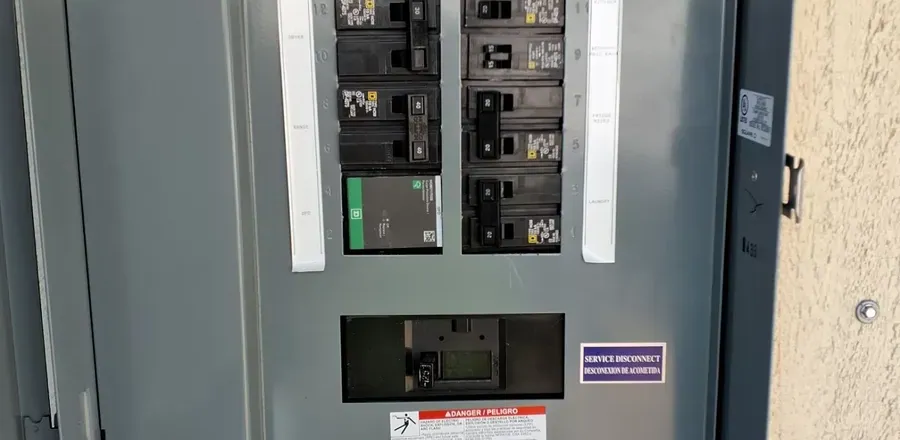
Usually not. A Level 2 charger wants a 40 to 60-amp circuit, and plenty of 100-amp panels have room for one once we run a load calculation. What matters is how much of the panel's capacity the house already uses, not the number on the main breaker.
When the numbers are tight, a load management device watches the home's draw and pauses charging during peaks. That keeps you inside the panel's rating without a service change. When the panel is genuinely full, or it's an old or recalled brand, we say so and quote the upgrade separately so you can decide.
How we decide whether a panel upgrade is needed
Panel upgrades and service changes
Tesla, ChargePoint, or a plain outlet
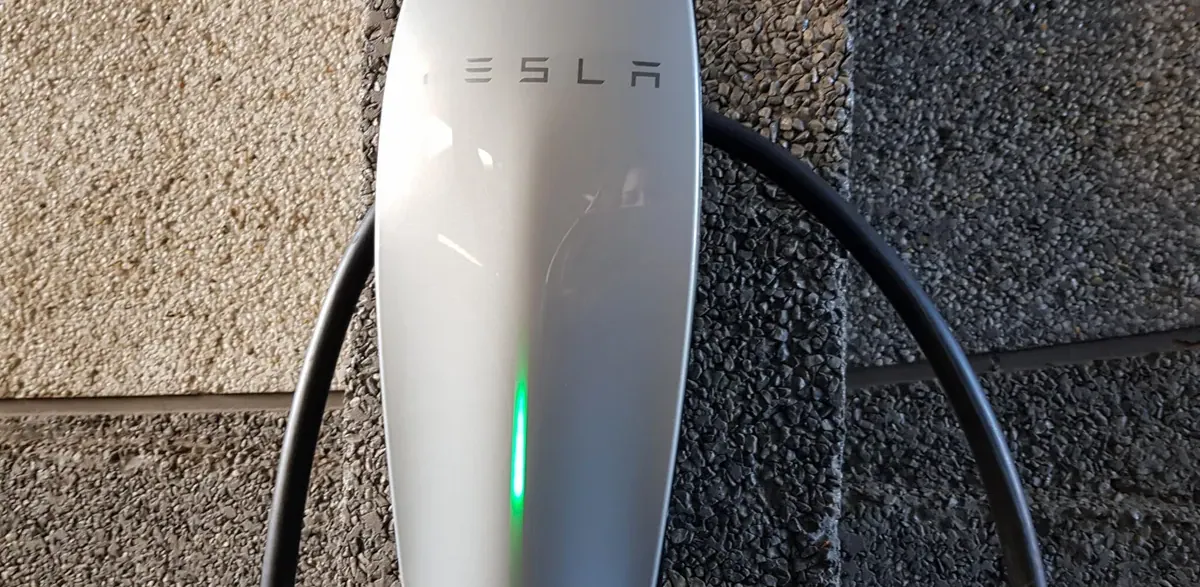
We hardwire the Tesla Wall Connector, ChargePoint Home Flex, and the other major Level 2 units, and we install NEMA 14-50 outlets for people who'd rather plug in the mobile connector that came with the car. Hardwired is cleaner on the wall and can run at the full circuit rating. An outlet costs less and is easy to swap later if you change vehicles.
SMUD's Charge@Home rebate has covered up to $600 toward the charger and its circuit. The terms change, so we confirm the current program when we quote, then file the paperwork so the rebate lands without you chasing it.