
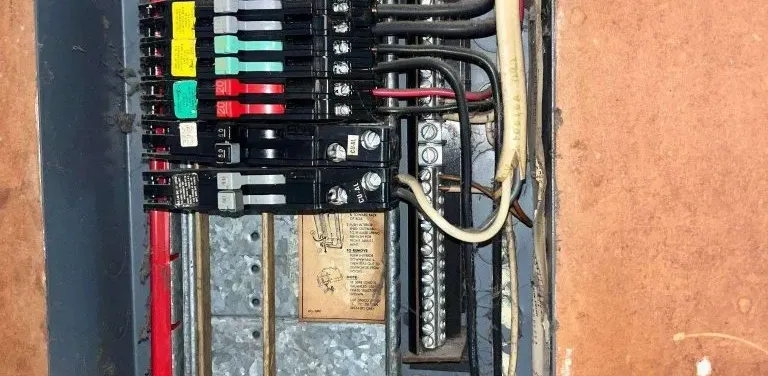
There are many causes of electrical home fires, and each has the potential for thousands of dollars in lost property. Keeping your wiring in good shape matters to prevent such damage and tragedy. An electrical system usually signals when there are potential issues. If you notice any of these warning signs, it may be time to call an electrician for an inspection:
- Frequently blown fuses
- An over-fused panel, or a recalled brand like Zinsco, Federal Pacific, Challenger, or Pushmatic
- Flickering lights that indicate an overloaded or loosely connected circuit
- Hot switch plates, cords, or plugs
- Light bulbs that frequently burn out in the socket
- Buzzing or sizzling sounds
- A burning smell
- Sparks from an outlet when you plug or unplug a cord
- Electrical shock when you touch a cord
Does Homeowners Insurance Cover Electrical Problems?
Electrical problems in the home are generally covered by homeowners insurance, unless your home uses an old wiring type such as knob-and-tube or aluminum. Outdated electrical wiring is more likely to malfunction. Insurers will often deny claims for electrical problems when this wiring is present, or require owners to purchase a special rider or endorsement for knob-and-tube and aluminum wiring.
Does knob-and-tube wiring affect home insurance?
If your house has the old system of knob-and-tube electrical wiring, you'll likely face problems trying to get homeowners insurance. And if you do manage to get insured, your premiums will probably be higher. The main reason this wiring is unsafe is the system's lack of a grounding conductor.
This can cause significant damage to appliances in the kitchen and bathroom that are at risk of contact with water. Long-term exposure to the elements also leaves the wiring vulnerable. You'll need to hire an experienced electrician to inspect your entire house. Other reasons insurers are wary about knob-and-tube wiring:
- General wear and tear
- Damage and cracking
- Frayed wires
- Brittle, flaky, fragile insulation
- Dangerous modifications
- Overheating and fire risks
- Modern technology exceeding the original supply design
Does aluminum wiring affect home insurance?
Aluminum electrical wiring was widely used in home construction during the 1960s and 1970s. Aluminum branch circuit wiring carries a significantly higher fire risk than copper, which is why it's harder to get insurance if your wiring system is made of aluminum.
Aluminum wiring tends to overheat and break down faster. Here's why it's dangerous:
- Aluminum wires are less ductile. They break down faster when bent. In this state the wires become weaker and deteriorate faster, which may cause excessive heating that can lead to a fire.
- Aluminum wires are softer and have higher electrical resistance. Because of their higher malleability and resistance, they need to be larger in diameter. Damaged wires increase the risk of overheating that may lead to a fire on your property.
- Aluminum wires are prone to deformation. Aluminum undergoes galvanic corrosion when exposed to moisture, which speeds up the wire's deterioration. The deteriorated wire then increases the chance of fire.
To make sure your home is covered by your homeowners policy for electrical issues, and that you get the most cost-effective rates available, it's best to have a licensed electrical contractor inspect the type of wiring running through your house. Reach out to Peach Electric for a free, upfront estimate.