
If your home is showing warning signs like frequent breaker trips, warm or discolored outlets, or a persistent burning smell, the wiring behind your walls may be failing. Older wiring can become a fire and shock hazard long before it fails completely. The safest move is to have a licensed electrician inspect it and tell you whether a repair or a full rewire is the right call.
At Peach Electric, we're a family-owned, owner-operator team of electrical specialists serving the Greater Sacramento Area. Below are the seven signs we see most often in homes that need rewiring.
Why does old wiring become a problem?
Wiring doesn't last forever. Insulation breaks down with heat and age, connections loosen, and older systems were never designed for the load of modern appliances, HVAC, EV chargers, and electronics. In many older Sacramento neighborhoods, the original wiring is simply undersized and outdated for how families live today.
How do you know if your home needs rewiring?
1. Breakers Trip Constantly
An occasional trip is normal. Breakers that trip repeatedly, especially when you run everyday appliances, often point to overloaded or deteriorating circuits.
2. Lights Flicker or Dim
Lights that flicker or dim when the AC kicks on or you use the microwave can signal loose connections or wiring that can't keep up with demand.
3. Warm, Discolored, or Buzzing Outlets
Outlets and switches should always be cool and quiet. Warmth, scorch marks, or a buzzing sound are urgent warning signs of arcing behind the wall.
4. A Burning or Fishy Smell
A faint burning or fishy odor near outlets or the panel can mean overheating insulation. This is one sign you should never wait on.
5. Two-Prong Outlets Everywhere
A house full of two-prong, ungrounded outlets usually means the wiring predates modern grounding standards. That leaves your electronics and your family less protected.
6. Frequent Use of Extension Cords and Power Strips
If you rely on extension cords because you don't have enough outlets, the home was wired for a different era. Adding circuits during a rewire solves the root problem instead of masking it.
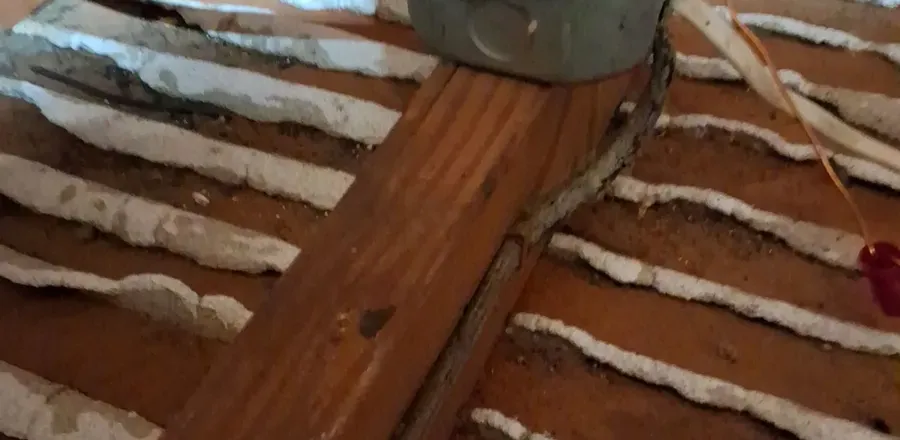
7. The Home Has Knob-and-Tube or Aluminum Wiring
Older Sacramento homes often still have knob-and-tube or aluminum branch wiring. Both can be hazardous when aged, modified, or overloaded, and many insurers ask about them directly.
Repair or Full Rewire?
Not every issue means tearing into every wall. A targeted repair may be enough for a single failing circuit. A full rewire makes sense when problems are widespread, the wiring is original to an older home, or you're remodeling and want to bring the whole system up to today's standards. A proper inspection is what tells the difference, and we'll always give you the honest answer.
What does a whole-house rewire involve?
A typical rewire includes running new wiring to outlets, switches, and fixtures, adding grounded and properly protected circuits, and coordinating any needed panel work. We handle permits and inspections as part of the job, so you're covered and the work is documented. You can learn more on our whole-house rewiring page.
Quick FAQ
How long does a rewire take? It depends on the size of the home and access, but many projects run several days to about two weeks. We give you a clear timeline up front.
Will my power be off the whole time? No. We sequence the work to keep outages short and planned, not constant.
Is rewiring worth it? For an older home with the signs above, yes. It protects against fire and shock, supports modern loads, and is something buyers and insurers take seriously.
Talk to a Sacramento Electrical Specialist
If your home is showing any of these signs, don't wait for a bigger problem. As a family-owned, owner-operator team serving the Greater Sacramento Area, we'll inspect your wiring, explain what we find in plain language, and recommend only the work you actually need. Reach out to Peach Electric today to schedule your inspection.